

Table of Contents
Introduction
Cluster lashes are pre-assembled groups of multiple lash fibers designed to be applied as individual lash units, offering more styling flexibility than a full strip while requiring less individual lash work than traditional lash extensions.
This product structure has made cluster lashes increasingly popular across the beauty market. For consumers, they offer more freedom to create different lash looks without committing to a full strip design. For salons, cluster lashes provide another option for creating customized lash styles and service offerings. For lash brands, the category also creates room for product differentiation through fiber materials, cluster structures, lash mapping, adhesive systems, and packaging formats.
As cluster lashes continue to develop, they are no longer simply viewed as an alternative to strip lashes. They have become a distinct lash category with multiple product formats, styling possibilities, and market applications.
What Are Cluster Lashes?
What Is a Lash Cluster?
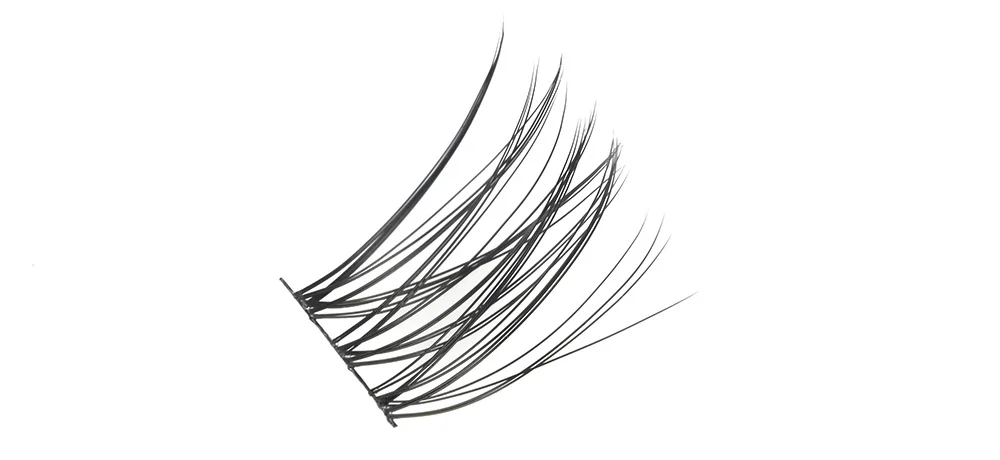
A lash cluster is a small, pre-assembled group of multiple lash fibers formed into a single, independent lash unit. Instead of applying a complete row of lashes as one piece, or building a lash set fiber by fiber, cluster lashes divide the lash line into smaller units that can be individually combined and arranged.
The defining feature of a cluster lash is therefore its **pre-assembled structure**. Multiple fibers are already grouped together at the base, creating a compact unit that can be handled and combined with other clusters while maintaining a defined lash shape.
The Basic Structure of a Lash Cluster
A typical lash cluster consists of two fundamental parts: lash fibers and a band base.
The lash fibers determine much of the visible appearance of the finished lash, including its length, curl, density, finish, and overall style. The base holds the fibers together as a unified cluster and provides the bonding area required for the cluster to function as an independent lash unit.
The size, shape, fiber arrangement, and base construction can vary considerably between products. These structural differences are also what allow manufacturers to develop clusters for different styling effects, application systems, and market requirements.
What Is a Cluster Lash Designed to Do?
At its core, a cluster lash is designed to provide a **modular approach to lash styling**.
Rather than treating the entire lash line as one fixed design, cluster lashes divide it into smaller styling units. Different lengths, curls, densities, and cluster shapes can then be combined to create a range of overall effects.
This gives cluster lashes a distinctive position between strip lashes and individual lash extensions. They retain the convenience of a pre-assembled lash product while offering more flexibility than a fixed strip. At the same time, they provide a more structured and efficient alternative to building a complete lash look one individual fiber at a time.
This modular structure is one of the main reasons cluster lashes have developed into a major lash category.
How Are Cluster Lashes Different From Other Lash Types?
Cluster lashes are often compared with strip lashes and individual lash extensions because all three are designed to enhance the appearance of the natural lashes. However, they differ fundamentally in how the lash fibers are structured, packaged, and used to create a finished lash look.
| Feature | Cluster Lashes | Strip Lashes | Individual Lash Extensions |
| Structure | Multiple lash fibers pre-assembled into small units | Lash fibers attached along one continuous strip | Individual lash fibers applied one by one |
| Application Unit | Individual cluster | Full lash strip | Individual fiber |
| Styling Flexibility | High | Limited by the fixed strip design | Very high |
| Customization | Can combine different clusters | Mainly determined by the original lash design | Can be highly customized |
| Application Complexity | Moderate | Low | High |
| Typical Use | DIY, salons, and lash brands | DIY and beauty retail | Primarily professional lash services |
| Product Formats | Clusters, pre-mapped, press-on | Traditional strips and specialty strip designs | Classic, volume, hybrid, and other extension formats |
Cluster Lashes vs. Strip Lashes
The main difference between cluster lashes and strip lashes is modularity. A strip lash is manufactured as one continuous lash unit, so its overall length, density, and lash mapping are largely fixed by the original design. Cluster lashes divide that design into smaller units, allowing different clusters to be combined to create a more flexible overall appearance.
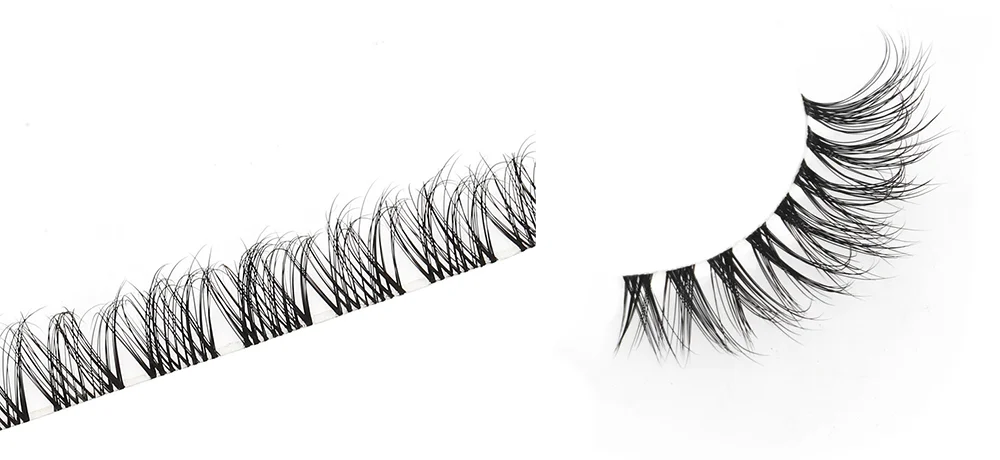
This difference also gives manufacturers more room to develop cluster lash products around different lengths, structures, lash maps, and application systems.
Read more: Cluster Lashes vs. Strip Lashes
Cluster Lashes vs. Individual Lash Extensions
Cluster lashes and individual lash extensions differ mainly in their level of pre-assembly. Individual extensions are supplied as separate lash fibers and are designed to be built into a complete lash set one fiber at a time. Cluster lashes, by contrast, arrive with multiple fibers already formed into a single unit.
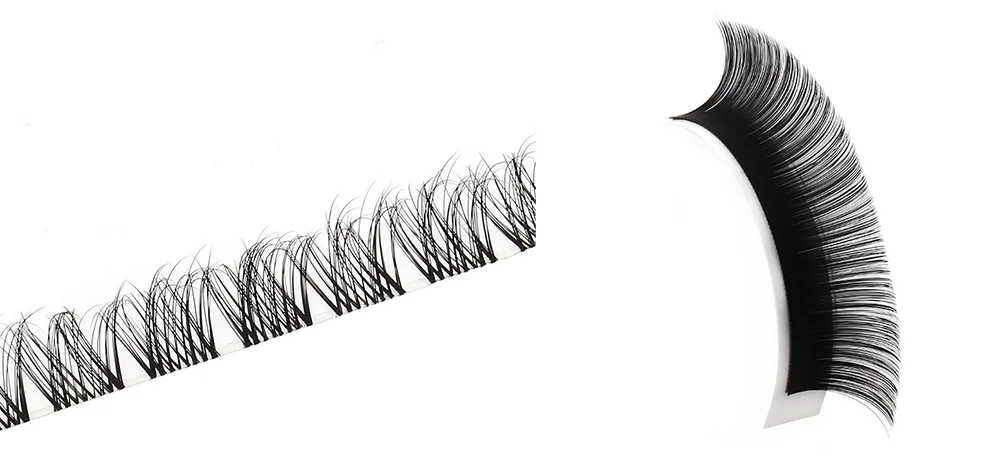
As a result, cluster lashes occupy a distinct position between fixed strip designs and fully individual lash construction, combining pre-assembled structure with a greater degree of styling flexibility.
Read more: Cluster Lashes vs. Individual Lash Extensions
What Are Cluster Lashes Made Of?
Although cluster lashes may look simple, their performance and appearance depend on the materials and construction used to produce each lash unit. The two most fundamental components are the **lash fiber** and the **lash band or base**.
Lash Fiber
Lash fiber forms the visible part of a cluster lash and largely determines its appearance and feel. Different fibers can vary in softness, sheen, weight, flexibility, curl retention, and overall finish.
Manufacturers can also adjust fiber diameter, length, curl, taper, and arrangement to create different levels of naturalness, volume, definition, or texture. As a result, two cluster lashes with a similar overall shape can deliver noticeably different visual effects depending on the fiber and manufacturing process used.
Lash Band or Base
The lash band or base is the structural area that holds multiple fibers together as a cluster. It provides the foundation that allows the fibers to function as one independent unit while also creating the bonding area for the lash system.
The design of the base can influence the cluster's flexibility, stability, appearance, and compatibility with different application systems. Some products are designed with particularly fine or flexible bases to create a more seamless appearance, while others may prioritize structural stability or specific application requirements.
Product Engineering and Supplier Innovation
Beyond the basic materials, cluster lashes can differ significantly in their **fiber construction, cluster formation, base design, and manufacturing techniques**.
This is where suppliers and lash manufacturers can create meaningful product differentiation. Innovations in fiber materials, fiber arrangement, base construction, and overall cluster engineering can affect the final appearance, comfort, flexibility, and performance of the product.
For example, **HIBEAUTY has developed cluster lash options using specialized materials and base constructions, including bamboo charcoal fiber and curved silicone lash bands**, demonstrating how material selection and structural design can be used to create different product experiences. These innovations also give lash brands more options when developing cluster lash collections for different market positions and styling requirements.
**Explore HIBEAUTY's Cluster Lash Collection →**
How Does the Cluster Lash System Work?
Cluster lashes are not simply a collection of individual lash units. They are part of a broader lash system in which the cluster design, bonding products, and supporting tools work together to create the finished lash look. The core concept is based on **modular styling**: individual clusters can be combined in different ways to produce different levels of length, density, texture, and overall lash mapping.
The Application Logic of Cluster Lashes
Unlike a strip lash, which comes with a largely predetermined lash shape, cluster lashes function as separate styling units. Different cluster lengths, curls, densities, and shapes can be selected and combined to create different overall effects.
For example, shorter clusters can contribute to a softer, more natural appearance, while longer or denser clusters can create a more defined or dramatic effect. By changing the combination and sequence of different clusters, brands and users can develop a wide range of lash styles without changing the fundamental product structure.
This modular design is one of the defining characteristics of cluster lashes. The cluster itself provides the pre-assembled lash structure, while the combination of multiple clusters determines the final visual result.
What Is Included in a Cluster Lash System?
A complete cluster lash system can include more than the lash clusters themselves. Depending on the product format, the system may also involve several supporting products:
* **Tweezers** — provide the precision needed to handle individual lash clusters.
* **Lash Bond** — provides the primary adhesive connection between the lash system and the natural lashes.
* **Lash Seal** — helps secure the bonding system and can contribute to longer-lasting wear.
* **Lash Remover** — is designed to break down the adhesive system when the clusters are removed.
Among these components, the **bonding system is particularly important**. The formulation and performance of the lash bond and seal can directly influence adhesion, wear time, comfort, and the overall performance of the cluster lash system.
This is also why cluster lashes should be evaluated as a complete product system rather than by the lash fibers alone. The same cluster design can deliver a different experience when paired with different bonding technologies.
How Long Do Cluster Lashes Last?
Cluster lashes can typically provide **around 7–14 days of wear when paired with a suitable long-wear bonding system**, although the actual wear time varies by product design, adhesive performance, application, and aftercare.
The quality of the cluster lash itself plays a role, but the **bonding system is often the most important factor** in determining how long a cluster lash set can remain in place. A well-designed cluster lash paired with a properly formulated lash bond and seal can provide around **7 days of wear as a practical baseline**, while some higher-performance adhesive systems can extend wear toward **14 days**.
Other factors can also influence wear time, including the construction and weight of the cluster, the condition of the natural lashes, exposure to oil and moisture, and the overall performance of the adhesive system.
For example, **HIBEAUTY offers cluster lash systems designed for extended wear, with compatible bond-and-seal products developed to support longer-lasting applications.**
Because wear time depends on the complete system rather than the lash cluster alone, brands and professional buyers should evaluate the **lash structure, adhesive system, and intended wear period together** when selecting cluster lash products.
**Read more: How Long Do Cluster Lashes Last?**
Are Cluster Lashes Safe for Natural Lashes?
When properly designed, selected, applied, and removed, **cluster lashes are generally suitable for cosmetic use and do not inherently damage natural lashes**. However, the safety and comfort of a cluster lash system depend on more than the lash fibers themselves.
One of the most important factors is the **adhesive system**. A well-formulated lash bond and seal should provide reliable adhesion while being appropriate for use around the eye area. Poor-quality or unsuitable adhesives may increase the risk of irritation, redness, sensitivity, or allergic reactions.
The construction of the cluster itself also matters. Excessive weight, overly dense designs, or poorly balanced lash structures can place unnecessary stress on the natural lashes. Proper removal is equally important, as pulling or forcibly removing bonded clusters can cause unnecessary traction on the natural lashes.
What Types of Cluster Lashes Are Available?
Cluster lashes are not limited to one fixed product format. As the category has developed, manufacturers have introduced different structural and packaging formats to meet different styling preferences, application systems, and market requirements.
Rather than classifying cluster lashes only by their visual styles, they can also be understood by **how the clusters are structured, arranged, and presented as a product**.
Cluster Lash Extensions
Cluster lash extensions are typically supplied in a tray format like lash extension, with multiple individual clusters arranged together for selection.
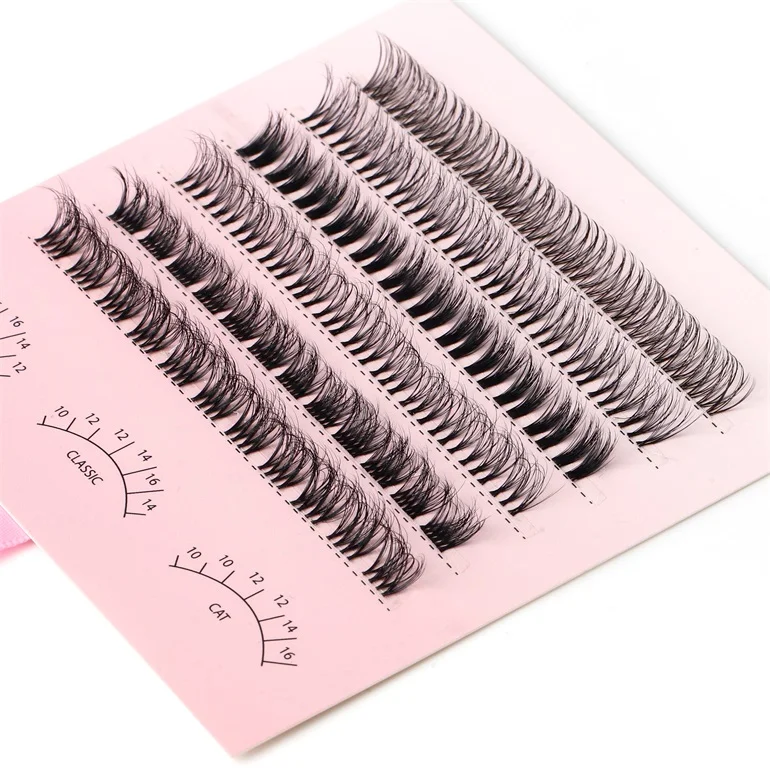
The clusters may be offered in a **single length or mixed lengths**, depending on the product design. Each cluster functions as an independent lash unit, allowing different lengths, curls, densities, and shapes to be combined into an overall lash design.
Because the clusters are provided individually rather than as a predetermined lash map, the final appearance depends largely on how the available cluster designs can be combined. This format therefore gives brands and professional users greater flexibility when developing different lash looks from the same product collection.
Pre-Mapped Lashes
Pre-mapped lashes take the cluster concept a step further by **pre-arranging different lash clusters into a predetermined design**.
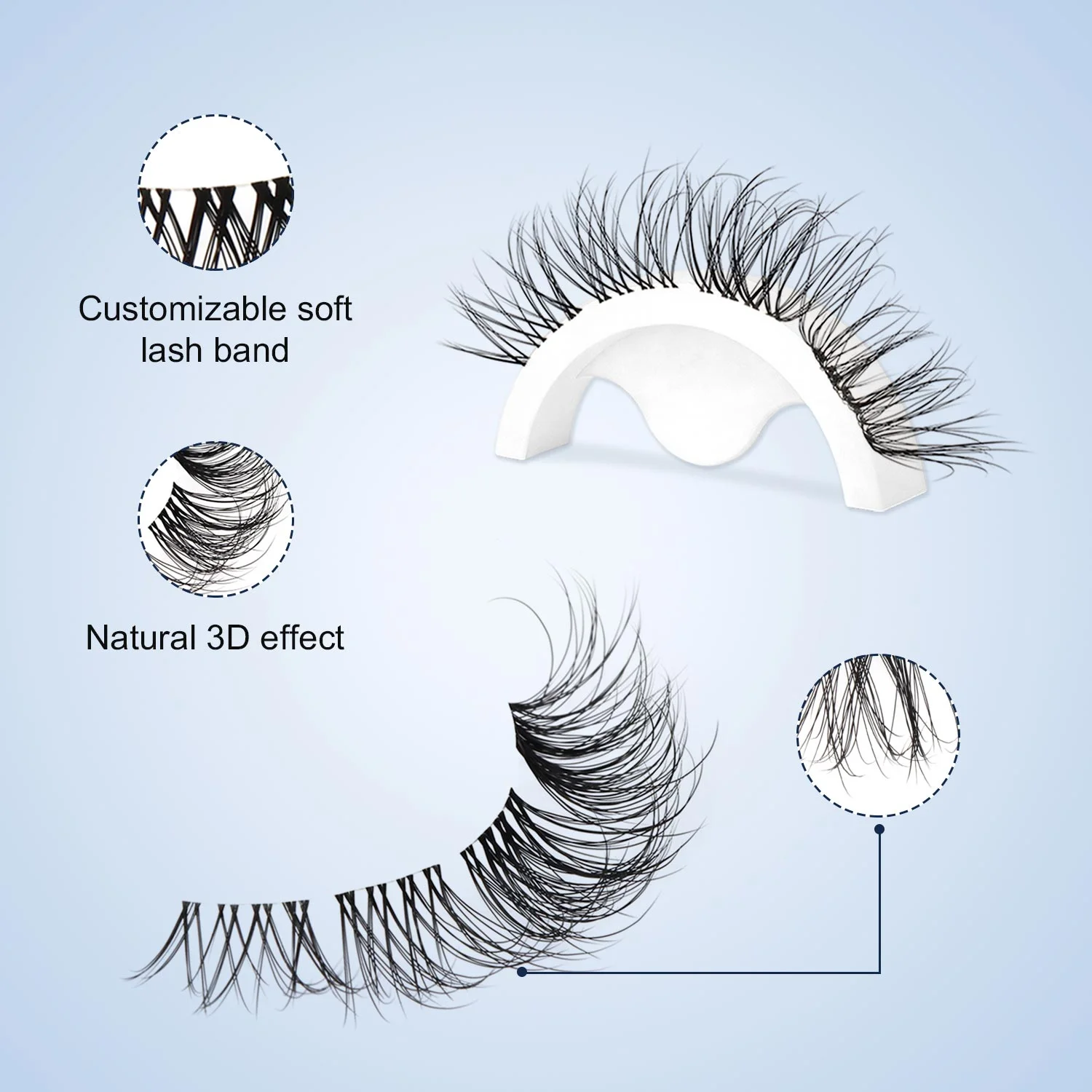
Instead of selecting and combining individual clusters from a tray, the product already contains a planned sequence of clusters designed to produce a specific overall lash effect. The intended style can therefore be identified from the arrangement itself, making the product concept closer to a strip lash that has been divided into individual sections.
Pre-mapped cluster lashes are commonly packaged as smaller sets, with **two-pair and five-pair formats** being common examples in the consumer market. The specific packaging format can vary according to the brand, target market, and product positioning.
Press-On Lashes
Press-on lashes are cluster-based lash products that incorporate a **pressure-sensitive adhesive strip** into the lash structure.
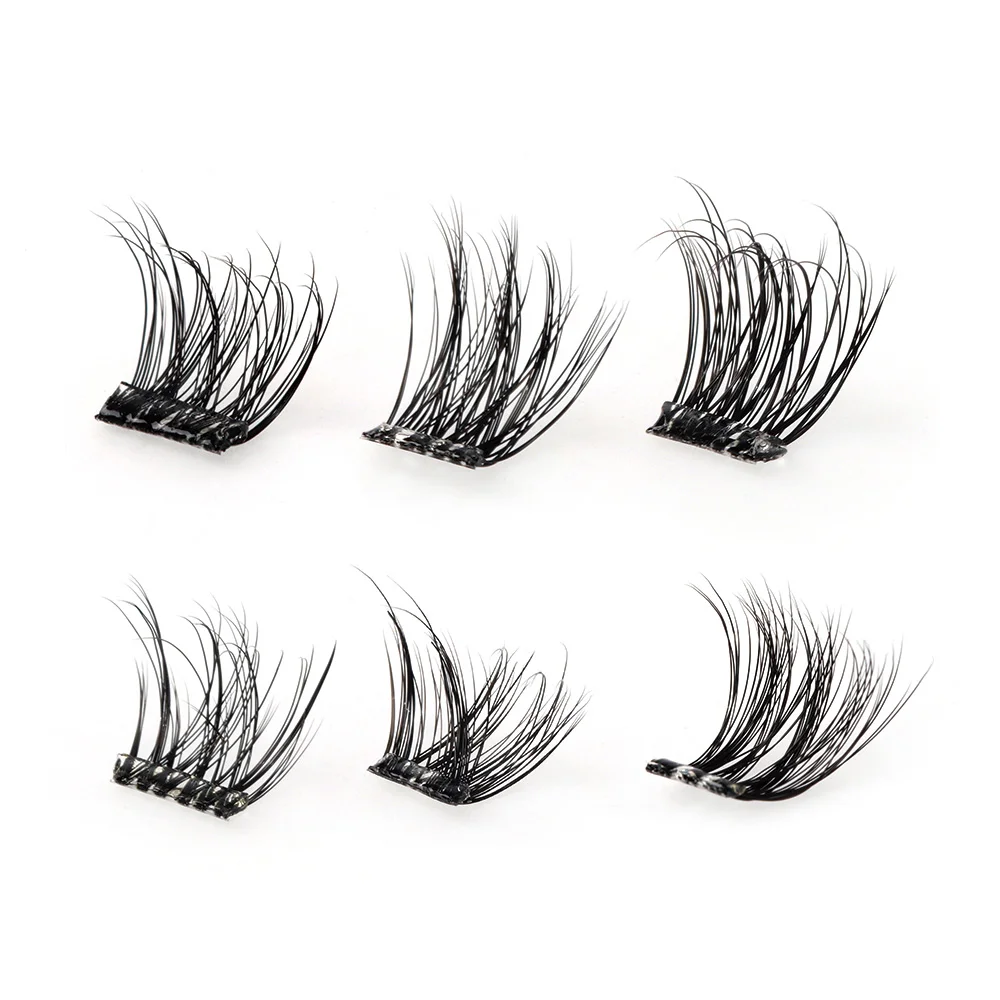
Instead of requiring a separate lash bond and seal system, the adhesive is integrated into the product, reducing the number of separate bonding products involved in the application process.
This makes press-on clusters a distinct product format within the broader cluster lash category. The key difference is not the cluster structure itself, but the addition of a **pre-applied pressure-sensitive adhesive system** designed to simplify the overall product experience.
As cluster lashes continue to develop, these different formats give brands more ways to build product lines around different levels of customization, convenience, price positioning, and application systems.
For lash brands and salons, this means that product safety should be evaluated as a **complete system**, including the lash fiber, cluster construction, adhesive formulation, and removal process, rather than judging the safety of the cluster lash alone.
In short, cluster lashes are not inherently damaging to natural lashes. **Product quality, adhesive quality, appropriate lash design, and proper application and removal all contribute to the overall safety of the system.**
Who Are Cluster Lashes Designed For?
One reason cluster lashes have become such a versatile lash category is their broad market reach. The combination of pre-assembled lash units, flexible styling, and different product formats allows cluster lashes to serve both individual consumers and professional or commercial applications.
For Individual Consumers
Cluster lashes are designed for consumers who want more flexibility than a fixed strip lash can provide while maintaining a more accessible product format than traditional individual lash extensions.
Different cluster formats can serve different consumer preferences, from users looking for natural everyday enhancement to those interested in more defined, wispy, voluminous, or trend-driven lash styles. The availability of pre-mapped and press-on formats also allows brands to offer different levels of convenience within the same product category.
For Salons
For salons, cluster lashes can serve as an additional lash service or as a product option for clients looking for a different experience from traditional lash extensions.
The modular structure allows salons to work with different cluster designs and combinations, while specialized product systems can be developed around different service levels and desired lash effects.
Cluster lashes can therefore complement, rather than simply replace, traditional extension services by giving salons another product format to meet different client needs.
For Lash Brands and Retailers
Cluster lashes also provide significant opportunities for lash brands and retailers because the category can support a wide range of product positioning.
**Offline applications** can include:
* Brand stores
* Beauty stores
* Professional beauty retailers
* Salons
**Online applications** can include:
* DTC lash brand websites
* E-commerce stores
* Online marketplaces
* Specialty beauty retailers
From premium-looking cluster systems designed for professional-oriented markets to accessible press-on products aimed at high-volume consumer sales, cluster lashes can be developed across a broad range of price points and market positions.
For brands looking to build or expand a cluster lash collection, product differentiation can come from **fiber materials, cluster structures, lash mapping, adhesive systems, packaging, and overall product positioning**. HIBEAUTY, for example, offers a range of cluster lash solutions designed around different product structures and market needs.
**Explore HIBEAUTY Cluster Lashes →**
Why Are Cluster Lashes Becoming Popular?
The growing popularity of cluster lashes is not driven by a single feature. It reflects a broader shift in how lash products are designed, sold, and experienced. As the category has developed, cluster lashes have found a position between traditional strip lashes and individual lash extensions, creating a product format with its own advantages and market opportunities.
A More Modular Lash Product
The biggest difference is the **modular structure** of cluster lashes. Instead of selling the entire lash look as one fixed design, manufacturers can divide it into smaller, pre-assembled units.
This makes it possible to create different overall effects by combining different cluster lengths, densities, curls, and shapes. For brands, this also creates more opportunities to develop collections around different lash maps and styling concepts.
A Balance Between Convenience and Customization
Strip lashes are convenient, but their overall appearance is largely determined by the original lash design. Individual extensions provide a high degree of customization, but require a much more detailed lash construction process.
Cluster lashes occupy the space between the two. They provide **pre-assembled lash structure while retaining a degree of modular customization**, making the category relevant to both consumer and professional markets.
More Product Formats and Innovation
Cluster lashes have also evolved beyond a single traditional format. Today, the category includes different structural and product formats such as individual cluster systems, pre-mapped designs, and press-on lashes.
Manufacturers can further differentiate these products through fiber materials, base construction, cluster shapes, lash mapping, adhesive systems, and packaging. This creates considerable room for brands to develop products for different levels of performance, convenience, pricing, and styling.
A Wider Range of Market Applications
Another factor behind the category's growth is its ability to serve multiple markets. Cluster lashes can be positioned for individual consumers, salons, professional beauty services, specialty retailers, and online lash brands.
This gives the category a broad commercial range, from premium products with specialized materials and bonding systems to accessible products designed for mass-market beauty retail.
A Growing Demand for Flexible Lash Solutions
Consumers are increasingly looking for lash products that offer a balance between **appearance, flexibility, convenience, and customization**. At the same time, brands and salons need products that can support different customer preferences and market positions.
Cluster lashes address this gap by combining a pre-assembled product structure with the flexibility to create different lash effects. This combination has helped cluster lashes develop from a niche lash format into an increasingly important category within the wider false lash market.
Ultimately, the appeal of cluster lashes lies not simply in being easier to use, but in the **product architecture itself**: small, modular lash units that give manufacturers, brands, professionals, and consumers more ways to create and commercialize different lash experiences.
Frequently Asked Questions About Cluster Lashes
Q1:Are Cluster Lashes Reusable?
A1:Technically, some cluster lashes can be reused if the lash structure remains intact and the adhesive can be completely removed without damaging the fibers or base. However, most consumers treat cluster lashes as a single-use beauty product and replace them after removal.
Whether a cluster lash is designed for reuse ultimately depends on its construction, adhesive system, and the manufacturer's product specifications.
Q2:Can Beginners Apply Cluster Lashes?
A2:Yes. Cluster lashes are available in product formats designed to be accessible to beginners, particularly pre-mapped and press-on formats. However, the level of complexity can vary depending on the cluster structure and bonding system.
Q3:Can You Sleep With Cluster Lashes?
A3:Some long-wear cluster lash systems are designed for overnight wear. However, whether a specific cluster lash can be worn while sleeping depends on the product design, adhesive system, and manufacturer's intended wear period.
Q4:Can Cluster Lashes Damage Natural Lashes?
A4:Cluster lashes are not inherently damaging to natural lashes. However, excessive weight, unsuitable adhesive, poor-quality products, or improper application and removal can place unnecessary stress on the natural lashes.
The overall safety of a cluster lash system therefore depends on the lash construction, adhesive quality, and how the product is handled.
Q5:Can You Use Cluster Lashes Without Glue?
A5:It depends on the product format.
Traditional cluster lashes generally require a separate adhesive system, such as lash bond and seal. **Press-on cluster lashes**, on the other hand, incorporate a pressure-sensitive adhesive layer and therefore do not require a separate lash bond in the same way.
Q6:What Is the Difference Between Cluster Lashes and Individual Lash Extensions?
Cluster lashes consist of multiple lash fibers that are pre-assembled into small units, while individual lash extensions are supplied as separate fibers and are built into a lash set one fiber at a time.
This makes cluster lashes more pre-structured, while individual extensions allow a higher level of fiber-by-fiber customization.
Q7:What Is the Difference Between Cluster Lashes and Pre-Mapped Lashes?
A7:Pre-mapped lashes are a type of cluster lash product in which individual clusters have already been arranged into a predetermined sequence or lash map.
Standard cluster lash systems generally provide separate clusters that can be selected and combined into different designs, while pre-mapped products provide a more defined overall lash arrangement.
Conclusion
Cluster lashes have developed into a distinct lash category built around a simple but highly adaptable product concept: **multiple lash fibers pre-assembled into modular lash units**. This structure gives them a different position from both fixed strip lashes and individually applied lash extensions, while allowing manufacturers to develop a wide range of products around different materials, cluster structures, lash maps, adhesive systems, and packaging formats.
From individual consumers and salons to lash brands and retailers, cluster lashes can serve a broad range of applications and market positions. As product technology continues to develop, innovations in lash fibers, base construction, bonding systems, and product formats are creating even more opportunities for brands to differentiate within the category.
For anyone evaluating cluster lashes as a consumer, professional, or lash brand, understanding the **product structure, materials, application system, performance, and available formats** provides a better foundation for choosing the right product and understanding where cluster lashes fit within the wider lash market.
Looking for Cluster Lash Solutions for Your Brand?
If you are a **lash brand, salon, beauty retailer, or distributor** looking to develop or expand a cluster lash collection, HIBEAUTY offers a range of cluster lash solutions across different materials, structures, styles, and application systems. From specialized lash fibers and innovative base constructions to pre-mapped and press-on formats, our team can help you identify products that fit your target market and product positioning.
**Explore HIBEAUTY Cluster Lashes →**
**Talk to Our Team About Your Cluster Lash Project →**
Handmade Fans vs Premade Fans: Which One Fits Your Lash Business?
Compare handmade fans vs premade fans in terms of cost, time, quality, and efficiency. Discover which option is best for your lash business and how to maximize profit.
What Are Premade Fans? A Professional Guide to Premade Volume Fans for Lash Brands
What are premade volume fans? Get detailed info on materials, structure, types, advantages, and buying tips. Ideal for lash artists, salons, and wholesale lash brands.
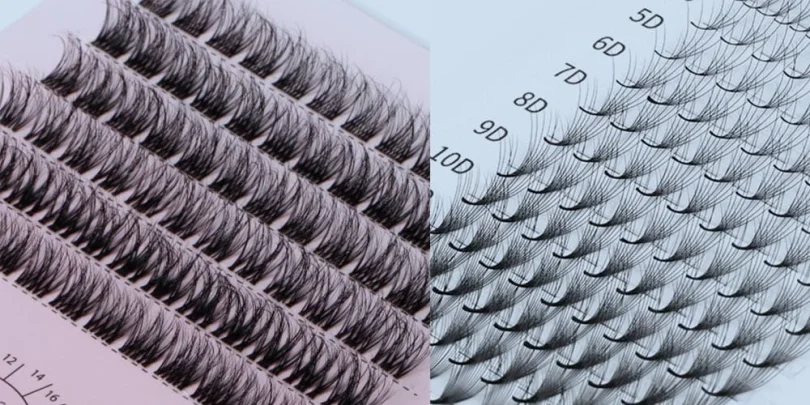
Cluster Lashes vs Individual Lashes vs Premade Fans – A Wholesale Lash Brand Perspective
What's the difference between lash extensions and clusters? Compare cluster lashes, individual lashes & premade fans. Learn structure, application, efficiency, cost & strategy for your lash brand.
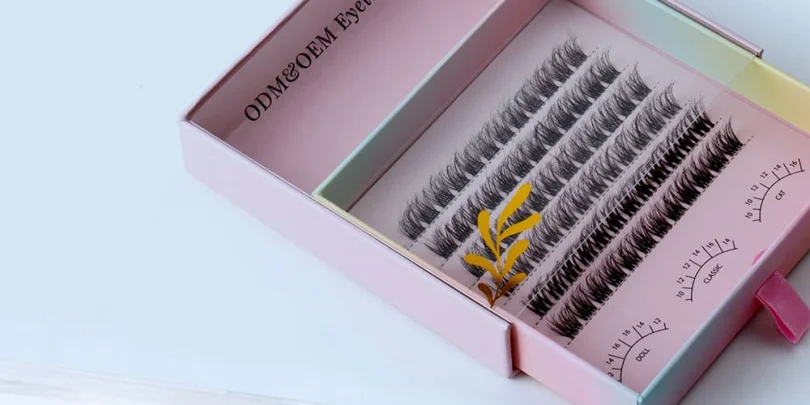
Lash Clusters vs Strip Lashes: Key Differences, Application Logic & Wholesale Guide
Compare lash clusters and strip lashes for key differences in structure, application and wear. Choose the right wholesale lash products to expand your brand and maximize profitability.
Empowering Every Lash Brand: From Your First 100 Trays To Global Expansion.
-
 Scalable Production
Flexible volume support for every stage of your growth.
-
One-Stop Innovation
Bespoke lash engineering and free turnkey branding in one place.
-
Certified Excellence
100% manual QC and SGS/MSDS compliance for premium reliability.
-
Agile Supply
Rapid sampling paired with stable, long-term mass production.
-
Brand Partnership
We don't just supply products; we build your empire.



